
If you’ve spent any time in a CBD shop or browsed an online hemp dispensary lately, you’ve likely seen THCa taking center stage. It’s often sold as “THCa Flower,” and to the naked eye (and nose), it looks exactly like the high-grade cannabis you’d find in a legal state dispensary.
But if you look at the lab results, you’ll see high percentages of THCa and almost zero THC. This leads to a confusing question: If it’s not THC, will it still get you high? And why is everyone suddenly talking about it?
The Science: THCa vs. THC
To understand THCa, you have to understand how cannabis grows. The plant doesn’t actually produce THC while it’s alive. Instead, it produces cannabinoid acids.
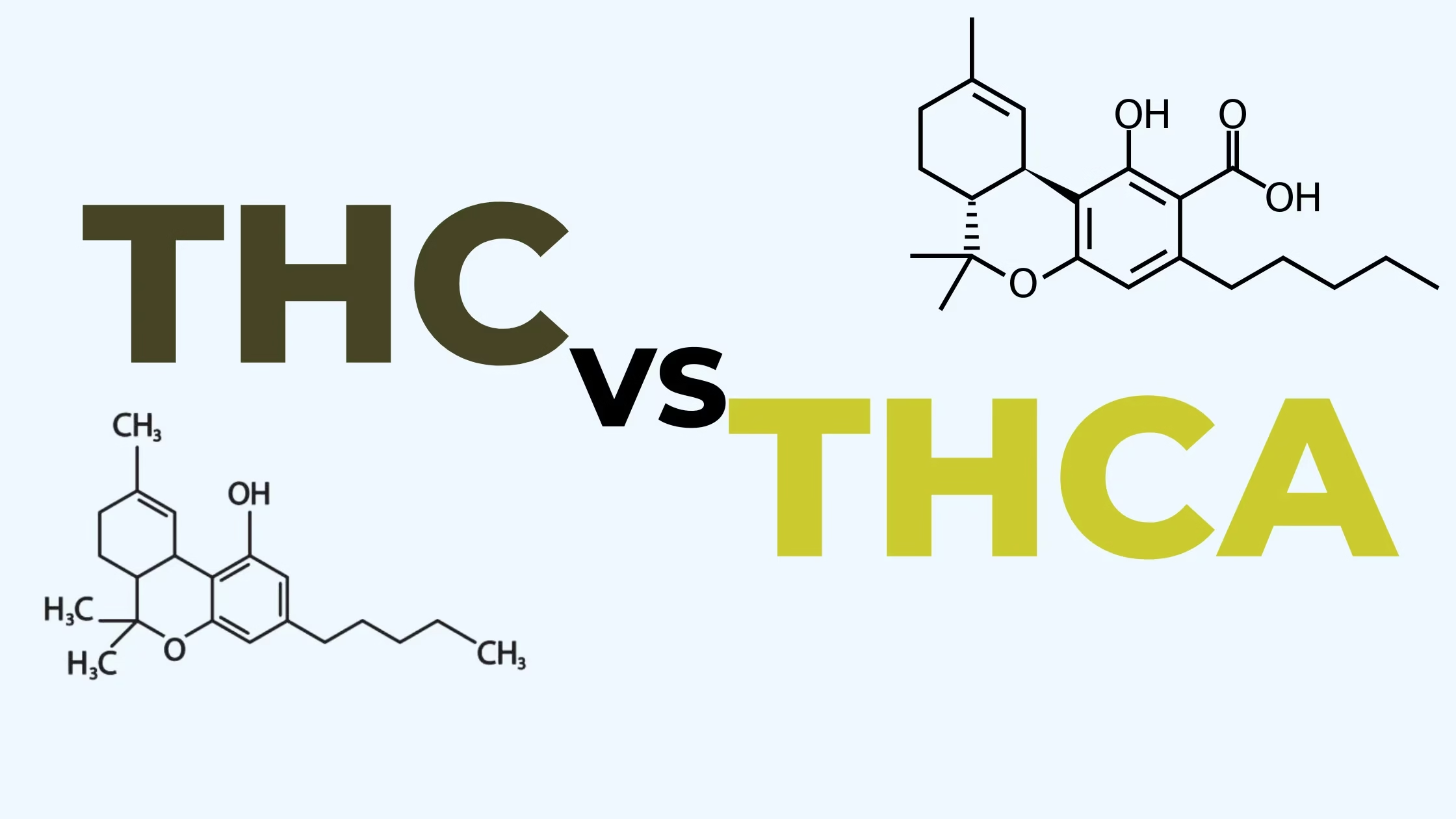
- THCa (Tetrahydrocannabinolic Acid): This is the “precursor” or the raw form of THC. In its natural state, the molecule has an extra carboxyl group (an acid) attached to it. Because of this extra piece, the molecule is too bulky to fit into the CB1 receptors in your brain.
- THC (Delta-9-tetrahydrocannabinol): This is the activated version. When THCa is exposed to heat or light, that extra acid group falls off, converting the compound into the psychoactive THC we all know.
The Magic Trick: Decarboxylation
The process of turning THCa into THC is called decarboxylation. You’ve actually been doing this your whole life if you’ve ever used cannabis.
When you light a joint, hit a bowl, or turn on a vaporizer, the heat instantly converts the THCa in the flower into Delta-9 THC. This is why eating raw cannabis buds won’t get you high, but smoking them will.
Why is THCa Everywhere Right Now?
The sudden boom in THCa products comes down to a legal technicality. According to the 2018 Farm Bill, hemp is federally legal as long as it contains less than 0.3% Delta-9 THC by dry weight.
Because THCa is chemically distinct from Delta-9 THC, many producers argue that “THCa Hemp” fits the legal definition of hemp. This has created a massive market where high-potency cannabis is being shipped across state lines, labeled as hemp, because it hasn’t been “activated” (heated) yet.
What are the Benefits of Raw THCa?
While most people buy THCa flower with the intention of smoking it (and thus turning it into THC), some people seek out raw THCa for its own unique wellness properties. Since it doesn’t cause a “high,” it’s a popular option for daytime use.
- Neuroprotective Properties: Research is looking into how THCa might help protect brain cells.
- Anti-Inflammatory: Some studies suggest THCa may be even more effective at reducing inflammation than CBD or THC.
- Anti-Nausea: Like its activated cousin, THCa has shown promise in reducing nausea and appetite loss.
THCa vs. THC: A Quick Comparison
| Feature | THCa (Raw) | THC (Activated) |
| Psychoactive? | No | Yes |
| Legal Status | Often sold as “Hemp” | Regulated as “Marijuana” |
| Primary Use | Inflammation, Neuroprotection | Pain relief, Sleep, Euphoria |
| Consumption | Juicing, Tinctures, Capsules | Smoking, Vaping, Edibles |
The Bottom Line
THCa is essentially the “unlocked” version of THC. If you leave it alone or eat it raw, it’s a non-intoxicating supplement with great potential for wellness. If you apply heat, you are effectively using traditional cannabis.
As laws continue to evolve, it’s important to stay informed about the regulations in your specific state, as some local governments are moving to close the “THCa loophole” by measuring “Total THC” (THCa + THC) rather than just Delta-9.

